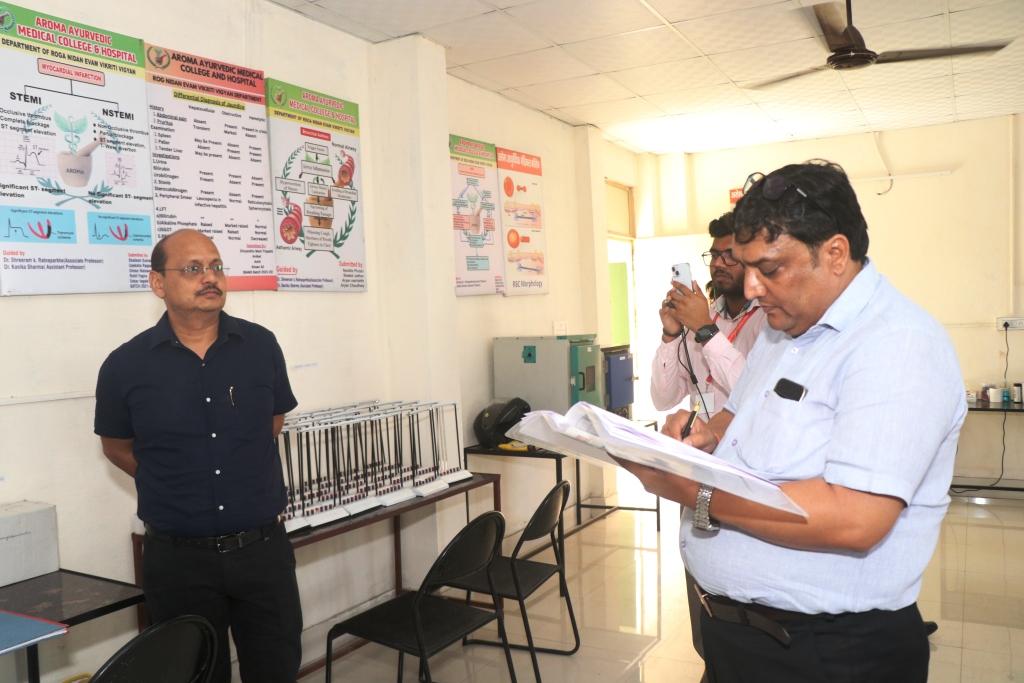
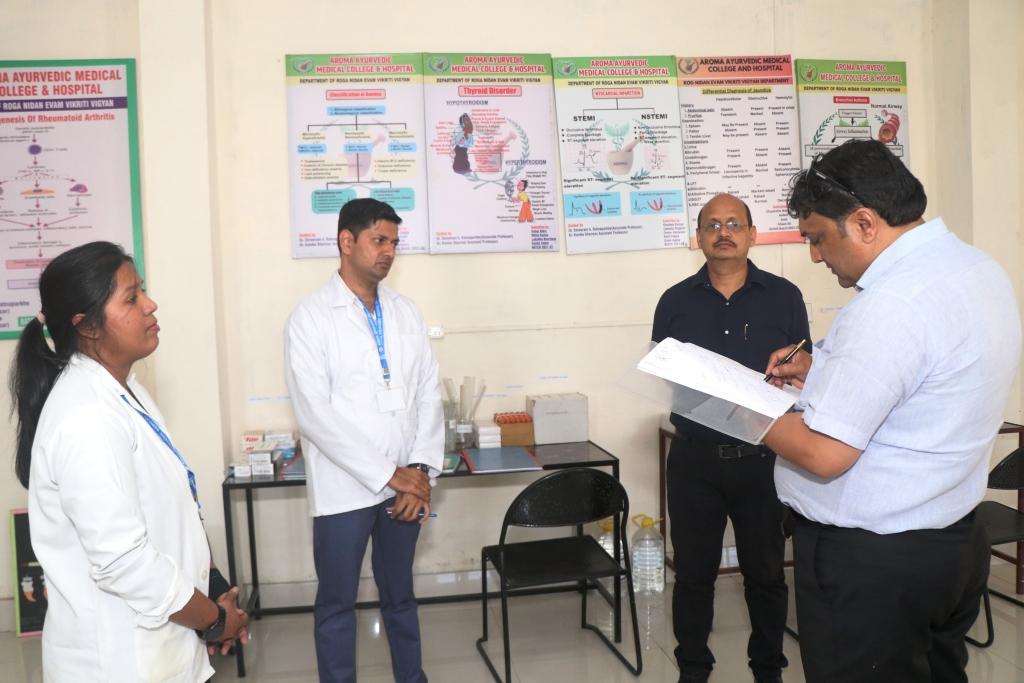
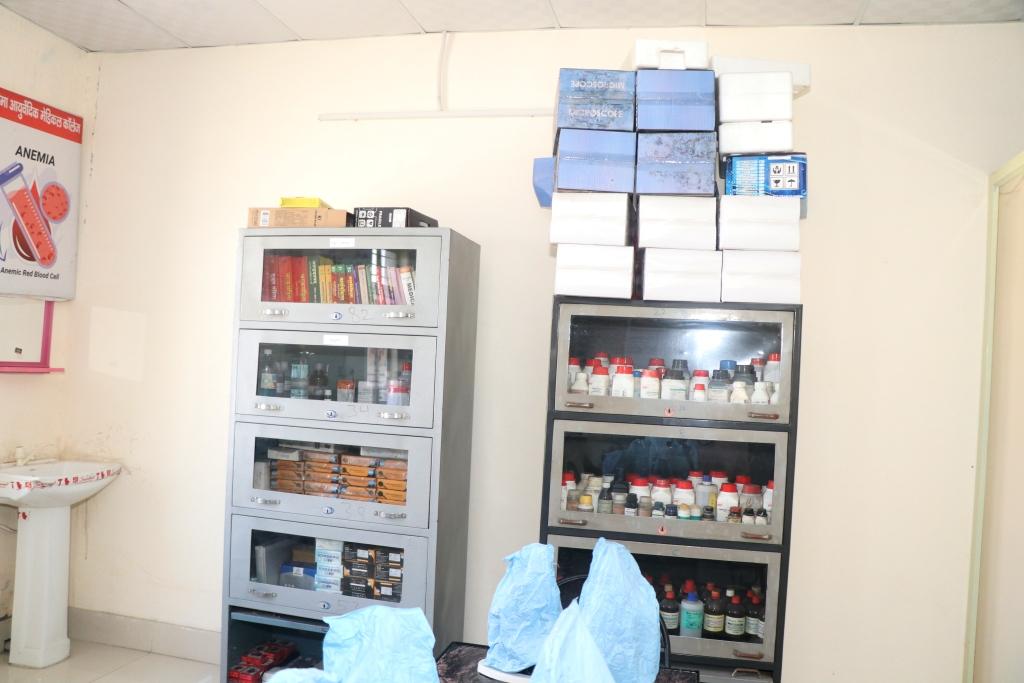
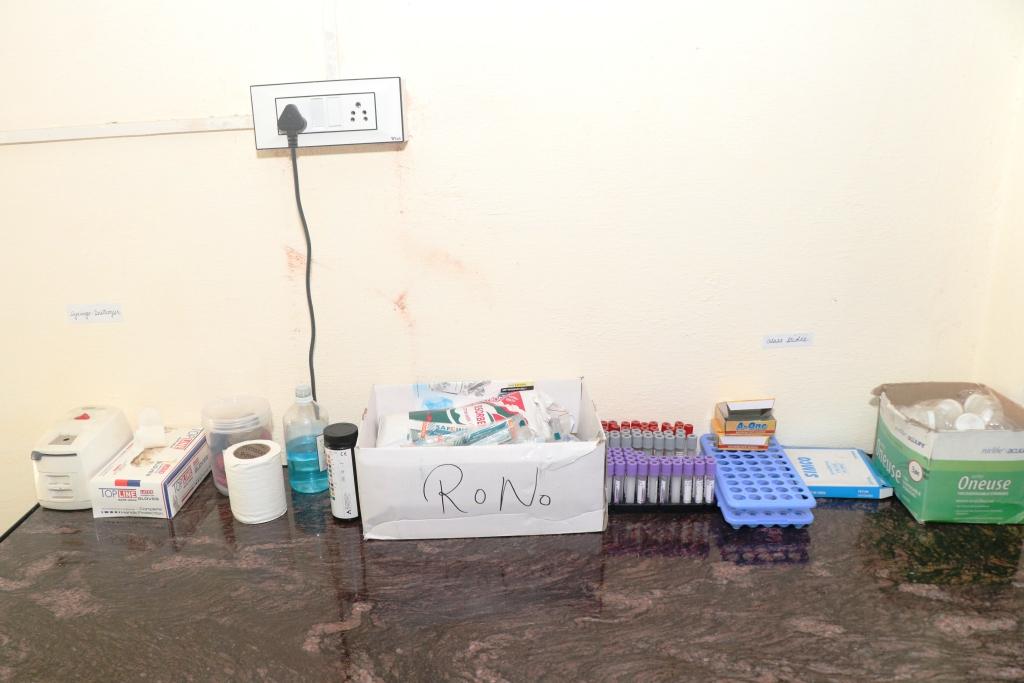
Roga Nidan Avom Vikriti Vigyan is a foundational branch of Ayurveda that serves as the bridge between basic principles and clinical practice. It is essentially the "Science of Diagnostics and Pathology."
While Prakriti refers to the natural, balanced state of the body and mind, Vikriti refers to the abnormal or pathological state. This subject provides the tools to understand how a person moves from a state of health to a state of disease.
Key Pillars of Roga Nidan Avom Vikriti Vigyan
The study is primarily divided into two major components:
1. Roga Nidan (Diagnostics)
This involves the methods used to identify a disease. In Ayurveda, diagnosis is not just about naming a disease but understanding its entire journey through the Nidan Panchaka (Five-fold Diagnostic Tool):
-
Nidan (Etiology): Identifying the root causes (dietary, lifestyle, or environmental).
-
Purvaroopa (Prodromal Symptoms): Early warning signs before the disease fully manifests.
-
Roopa (Clinical Signs & Symptoms): The full presentation of the disease.
-
Upashaya (Therapeutic Test): Using specific diet or herbs to confirm the diagnosis based on the patient's response.
-
Samprapti (Pathogenesis): The step-by-step process of how Doshas become imbalanced and lead to disease.
2. Vikriti Vigyan (Pathology)
This focuses on the structural and functional abnormalities in the body. It explains:
-
Dosha-Dushya Sammurchana: How the vitiated Doshas (Vata, Pitta, Kapha) interact with the body tissues (Dhatus) to create a disease.
-
Srotas Dushti: Understanding the blockage or dysfunction in the body's channels.
-
Agni & Ama: The role of impaired digestion (Agni) and the resulting toxins (Ama) in the development of chronic illnesses.
Traditional & Modern Examination Methods
To reach an accurate diagnosis, a physician uses several examination techniques:
-
Ashtavidha Pariksha (Eight-fold Examination): Includes checking the pulse (Nadi), tongue (Jivha), eyes (Drik), skin (Sparsha), etc.
-
Dashavidha Pariksha (Ten-fold Examination): Assessing the patient’s constitution, strength, age, and mental state.
-
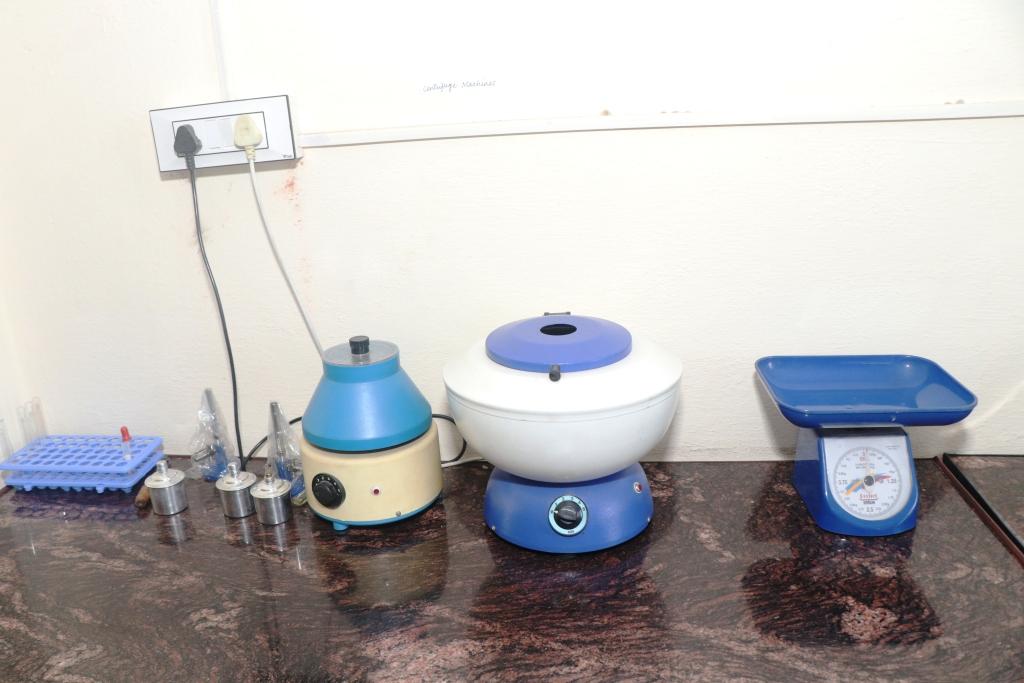
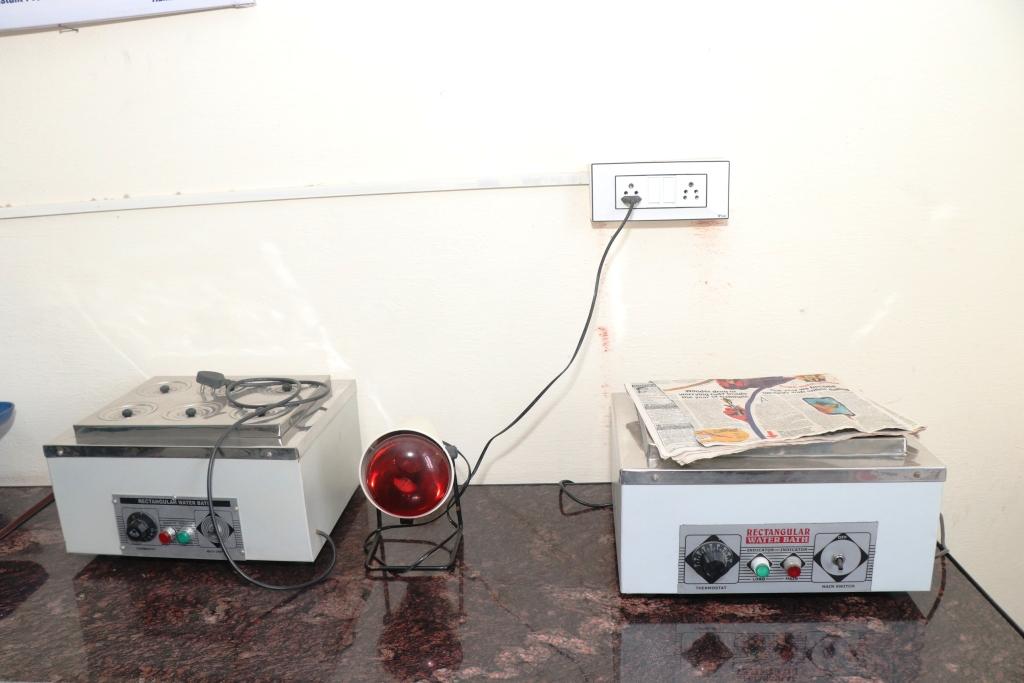
Modern Integration: Contemporary Ayurveda also utilizes laboratory investigations (blood tests, urine analysis), ECG, X-rays, and USG to complement traditional findings.
Why It Matters
Without a thorough understanding of Roga Nidan, treatment (Chikitsa) is often ineffective. This department ensures that:
-
Diseases are caught in their early stages (Kriyakala).
-
The treatment is personalized based on the patient's unique pathology.
-
The root cause is addressed, rather than just suppressing the symptoms.