Agada Tantra and Vyavaharayurveda: Ancient Science, Modern Justice
In the vast tradition of Ayurveda, Agada Tantra and Vyavaharayurveda represent the vital bridge between medical science, clinical toxicology, and the legal system. Together, they form one of the eight essential branches of Ayurveda (Ashtanga Ayurveda), focusing on the identification and treatment of toxins, as well as the ethical and legal responsibilities of a physician.
1. Agada Tantra (Ayurvedic Toxicology)
The word Agada literally translates to "antidote." This branch specializes in the study of Visha (poisons), their clinical manifestations, and their specific treatments.
In ancient times, this science was primarily used for snake bites and animal stings. Today, its scope has expanded significantly to address modern environmental and lifestyle-related toxins.
-
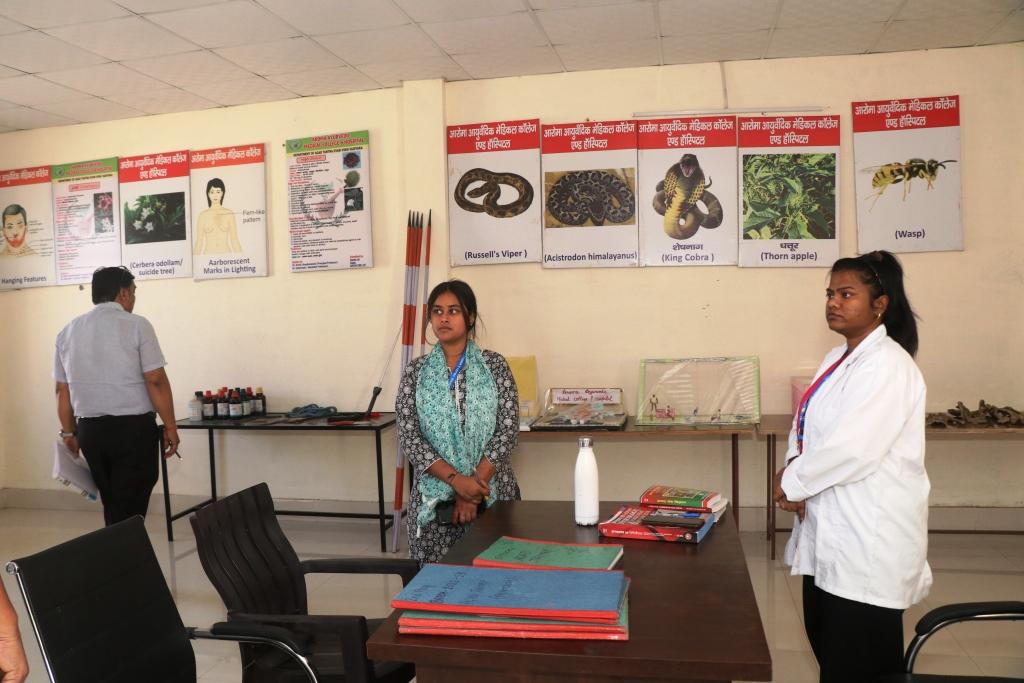
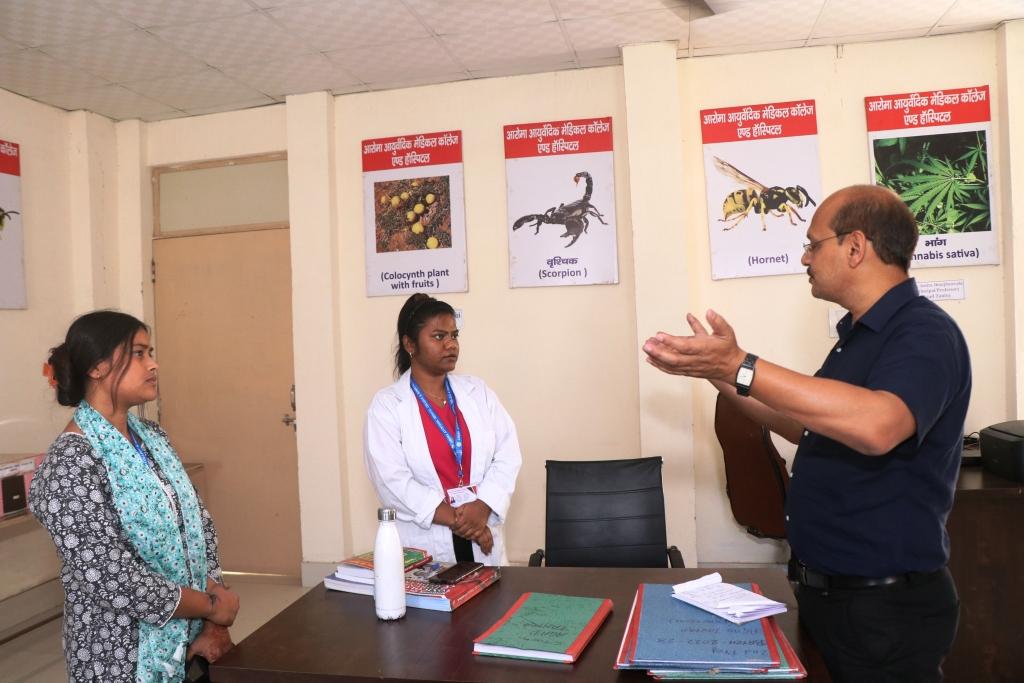
Jangama Visha (Animal Toxins): Management of venomous bites from snakes, scorpions, spiders, and insects.
-
Sthavara Visha (Plant & Mineral Toxins): Study of poisonous plants, heavy metals, and minerals.
-
Gara Visha (Artificial Toxins): Modern chemical toxins, including food preservatives, adulterants, and industrial pollutants.
-
Dushi Visha (Latent/Cumulative Poisoning): This is a unique Ayurvedic concept dealing with low-potency toxins that remain dormant in the body for long periods, leading to chronic lifestyle diseases or allergies.
2. Vyavaharayurveda (Forensic Medicine)
Vyavaharayurveda is the application of medical knowledge for the purpose of law and justice. It is the Ayurvedic equivalent of Forensic Medicine. It guides the physician on how to handle legal cases and provide evidence in a court of law.
-
Personal Identity: Methods of identifying individuals through physical characteristics.
-
Thanatology: The study of death, including signs of death and post-mortem changes.
-
Asphyxial Deaths: Understanding deaths caused by hanging, strangulation, or drowning.
-
Medico-Legal Traumatology: Identification and classification of injuries and wounds.
3. Vidhi Vaidyaka (Medical Jurisprudence)
This section deals with the Code of Conduct and the legal framework governing medical practice. It focuses on:
-
Medical Ethics: The duties and rights of a physician (Vaidya Sadvritta).
-
Professional Negligence: Understanding legal liabilities during medical practice.
-
Indian Penal Code (IPC): Relevant laws and acts (like the MTP Act or Organ Transplantation Act) that impact healthcare providers.
Modern Relevance: Why This Branch Matters Today
While the classical texts were written centuries ago, Agada Tantra and Vyavaharayurveda are more relevant than ever in the 21st century:
-
Environmental Detox: Addressing the toxic load of air and water pollution through Ayurvedic Nirvishikarana (detoxification) techniques.
-
Food Safety: Managing the effects of pesticides and chemical food additives.
-
Chronic Skin Disorders: Many persistent skin issues are treated in Ayurveda using Agada Tantra principles, viewing the condition as a form of latent poisoning (Dushi Visha).
-
Medico-Legal Integrity: Ensuring that Ayurvedic practitioners are well-versed in modern laws to maintain professional and ethical standards.