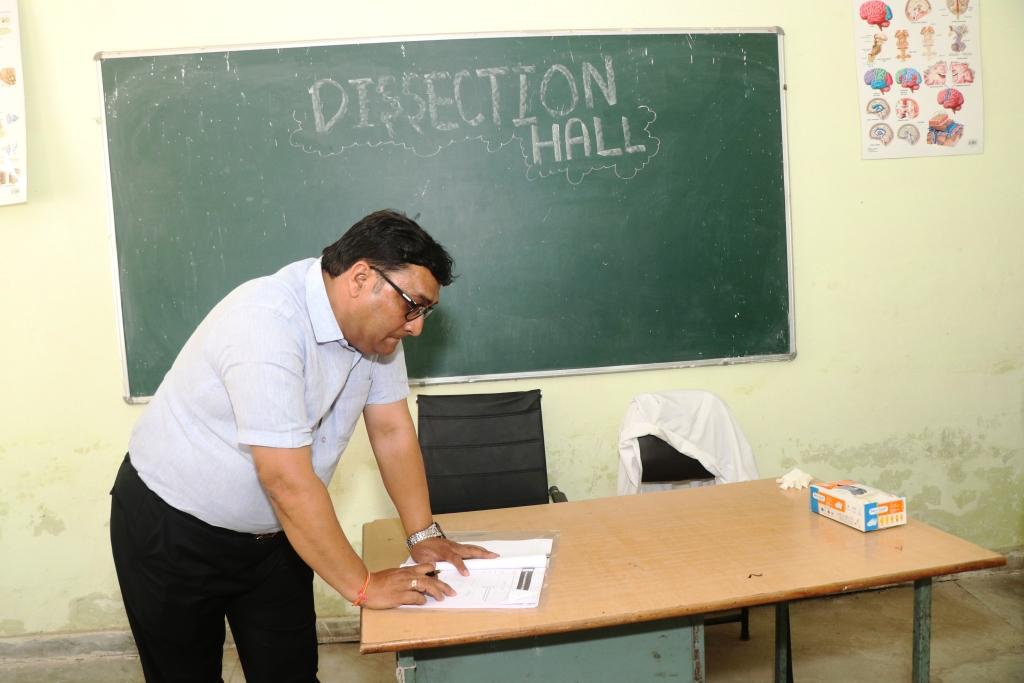
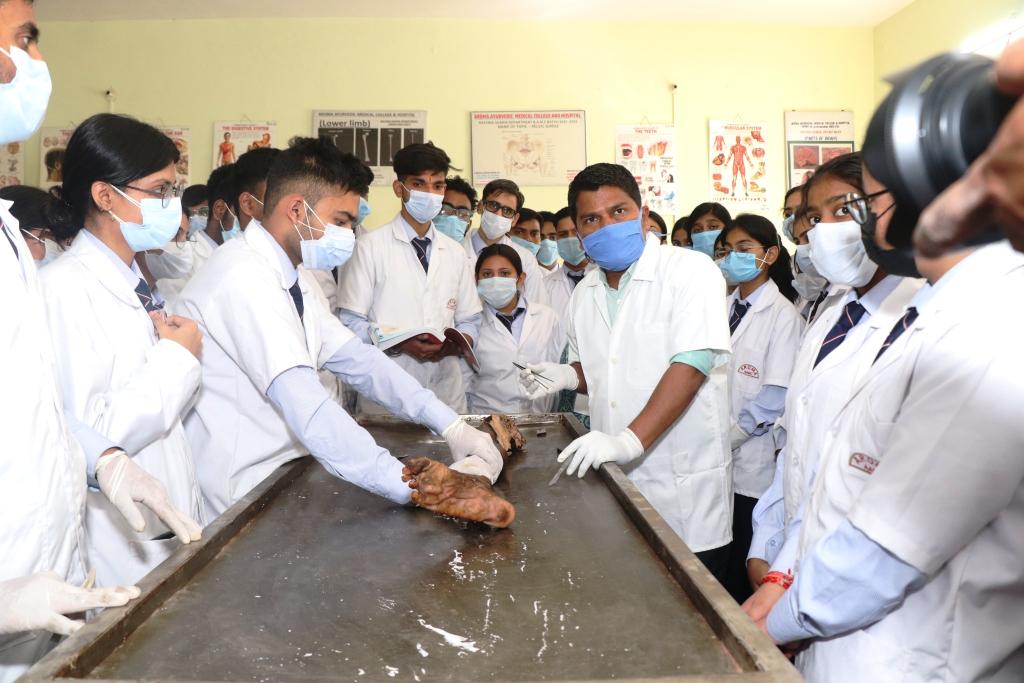
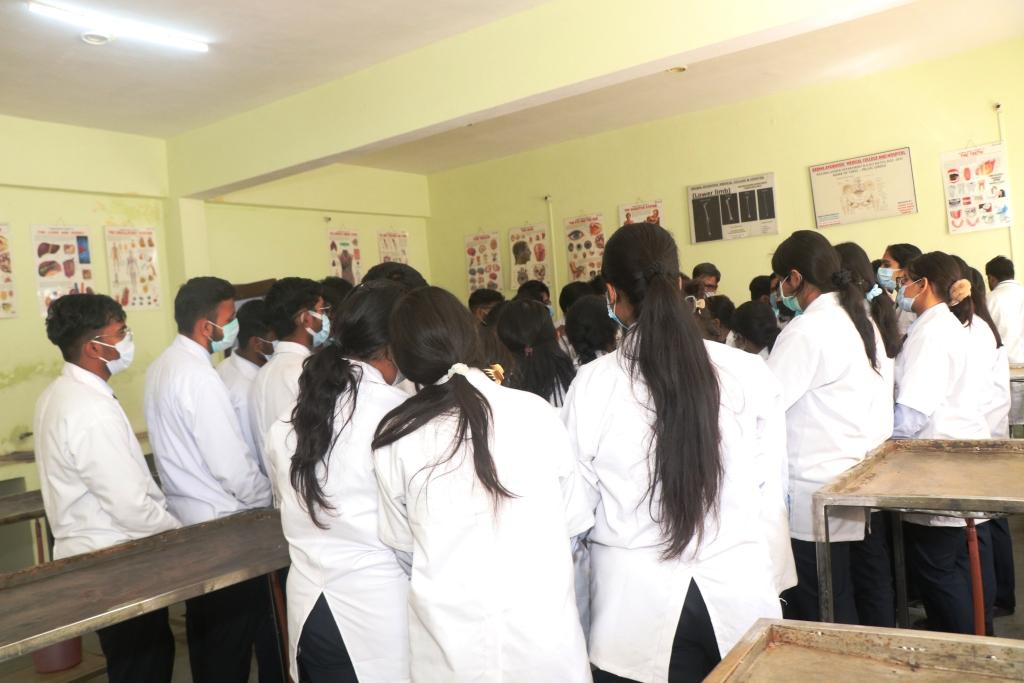
Rachana Sharir is the fundamental branch of Ayurveda dedicated to the study of human anatomy. Derived from the Sanskrit words Sharir (human body) and Rachana (structure), it provides the structural blueprint necessary for diagnosing and treating diseases. Unlike modern anatomy, which focuses primarily on physical structures, Rachana Sharir integrates the physical, metaphysical, and functional aspects of the human body.
Below is a structured overview of Rachana Sharir that you can use for your website.
1. Definition and Significance
Rachana Sharir is one of the most critical pillars of Ayurvedic medicine. It is the study of the body's composition, including bones, muscles, organs, and vital channels.
-
Holistic Approach: It views the body not just as a collection of parts, but as a combination of Pancha Mahabhuta (five elements), Doshas (energies), and Dhatus (tissues).
-
Clinical Foundation: A deep understanding of anatomy is essential for Shalya Tantra (surgery) and Kayachikitsa (internal medicine). As per Acharya Sushruta, known as the "Father of Surgery," a physician who lacks anatomical knowledge cannot treat patients effectively.
2. Key Concepts in Rachana Sharir
To understand the body's structure in Ayurveda, several core concepts are studied:
A. Shadanga Sharir (Six Parts of the Body)
Ayurveda divides the human body into six main segments:
-
Shakas (4): The four extremities (two upper limbs and two lower limbs).
-
Madhyama Sharir (1): The trunk (thorax and abdomen).
-
Shira (1): The head and neck.
B. Saptadhatu (Seven Tissues)
The body is structured through seven vital tissues that provide strength and form:
-
Rasa: Plasma/Fluid
-
Rakta: Blood
-
Mamsa: Muscle
-
Meda: Fat/Adipose
-
Asthi: Bone
-
Majja: Bone Marrow/Nervous tissue
-
Shukra: Reproductive tissue
C. Marma Sharir (Vital Points)
One of the most unique aspects of Ayurvedic anatomy is the study of 107 Marma points. These are vital junctions where muscles, veins, ligaments, bones, and joints meet. Injury to these points can cause severe pain, disability, or even death.
D. Srotas (Channels)
The body is viewed as a network of Srotas, or internal transport systems. These channels carry nutrients, fluids, and waste products (Malas) throughout the body to maintain homeostasis.
3. Branches of Study
Rachana Sharir is subdivided into specialized areas to provide a complete understanding of human development:
-
Garbha Sharir: Embryology and fetal development.
-
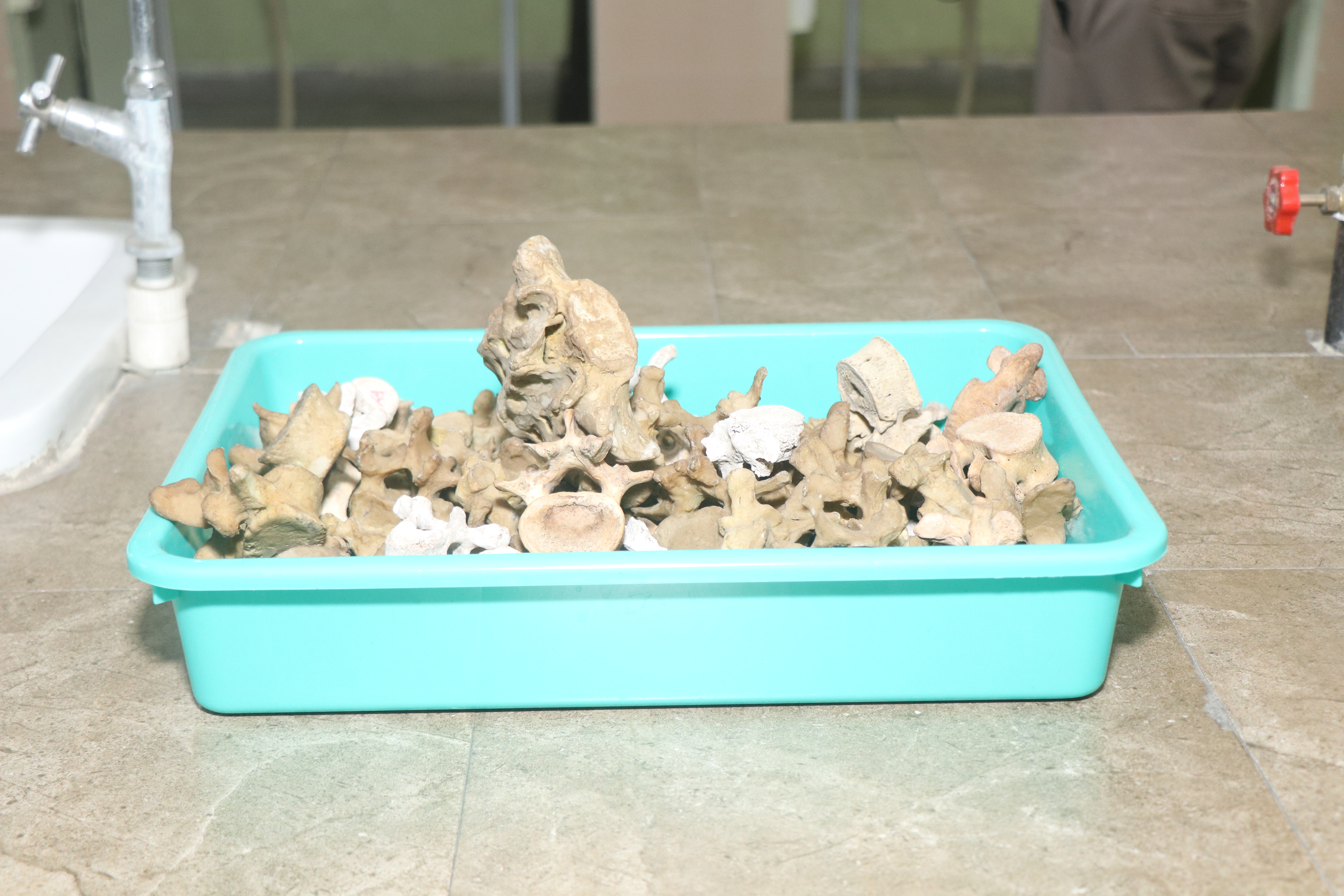
Asthi Sharir: Osteology (study of bones).
-
Sandhi Sharir: Arthrology (study of joints).
-
Peshi Sharir: Myology (study of muscles).
-
Sira-Dhamani Sharir: Angiology (study of blood vessels).
4. Historical Reference
The primary knowledge of Rachana Sharir comes from the Sushruta Samhita and Charaka Samhita. Acharya Sushruta was a pioneer in Shava Chhedana (human cadaver dissection), advocating for the preservation and systematic study of the body to gain firsthand knowledge of its internal structures.
Summary Table for Quick Reference
| Feature | Description |
| Meaning | Sharir (Body) + Rachana (Structure) |
| Primary Goal | To understand the structural basis of the human body for medical practice. |
| Major Text | Sushruta Samhita (Sharir Sthana) |
| Key Framework | Shadanga (6 body parts), 107 Marmas, and Saptadhatu. |
| Modern Relation | Equivalent to Human Anatomy and Embryology. |